ABOUT US
Adhering to the spirit of "dedication and focus", we provide craftsmanship products and serve millions of users

HOME
ABOUT US
PRODUCTS
Case
plan
NEWS CENTER
contact us
CHINESE
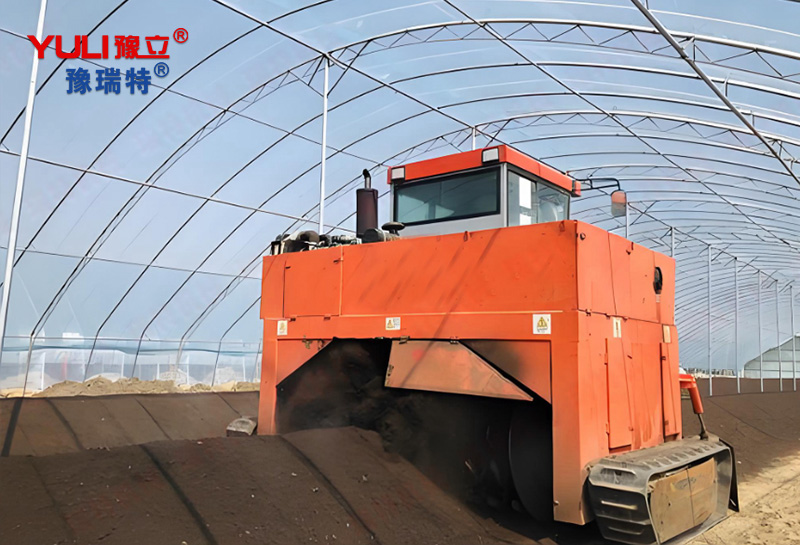
Compost Turner • Compost Mixer
| Overall dimensions: | 4160*2800*3320mm |
| Pile width: | 2600mm |
| Flipping height: | 1000mm-1300mm |
| fuel type: | National standard diesel |
13523220009
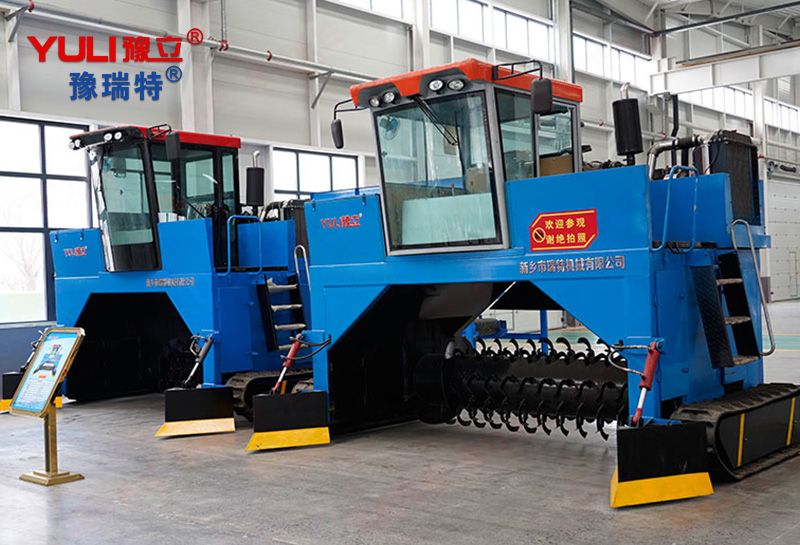
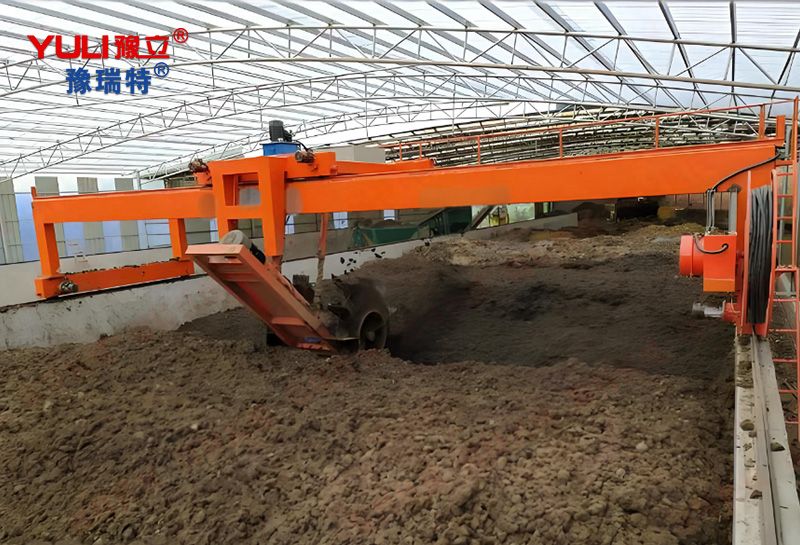
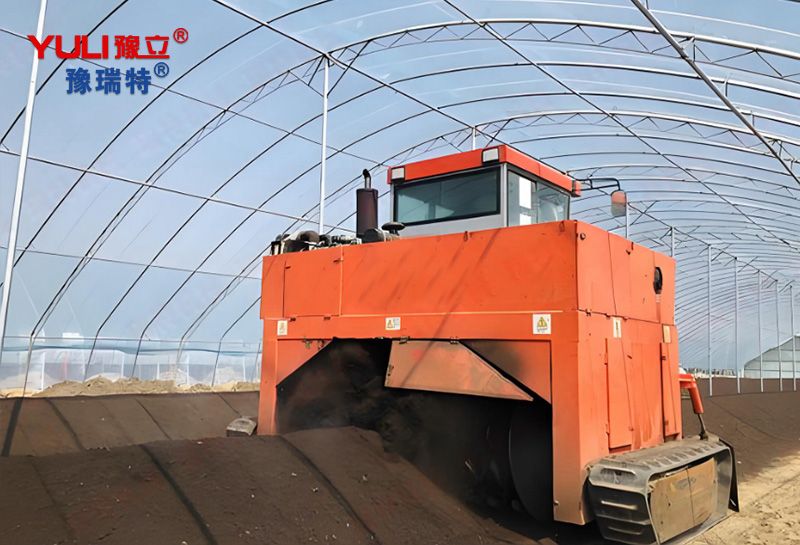
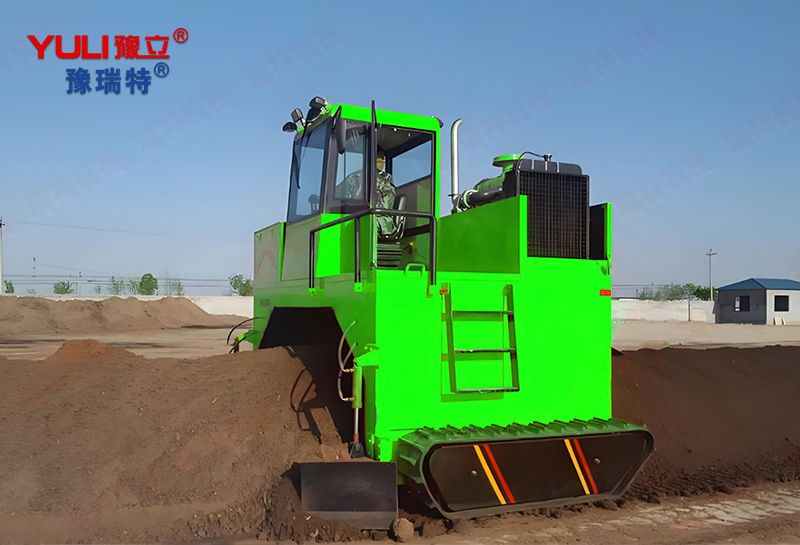
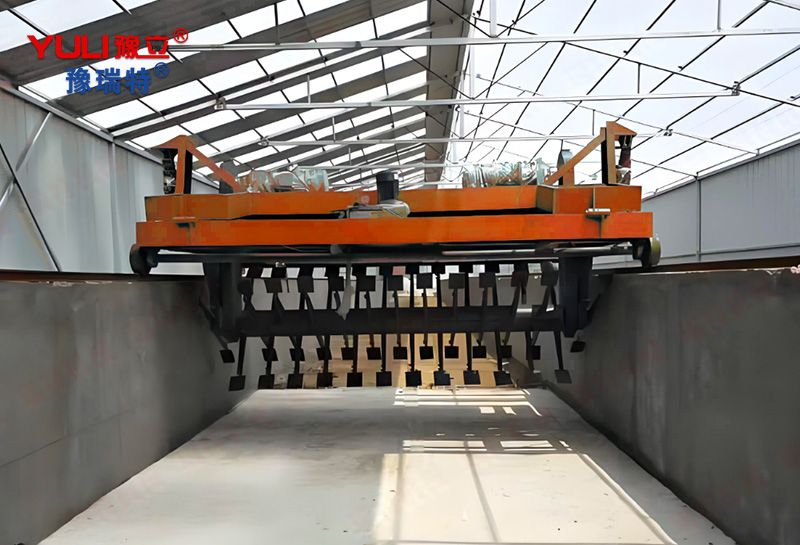
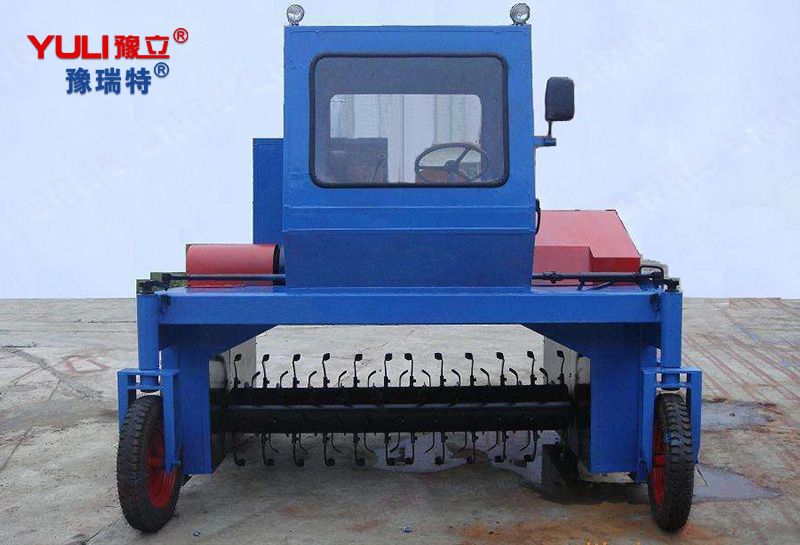
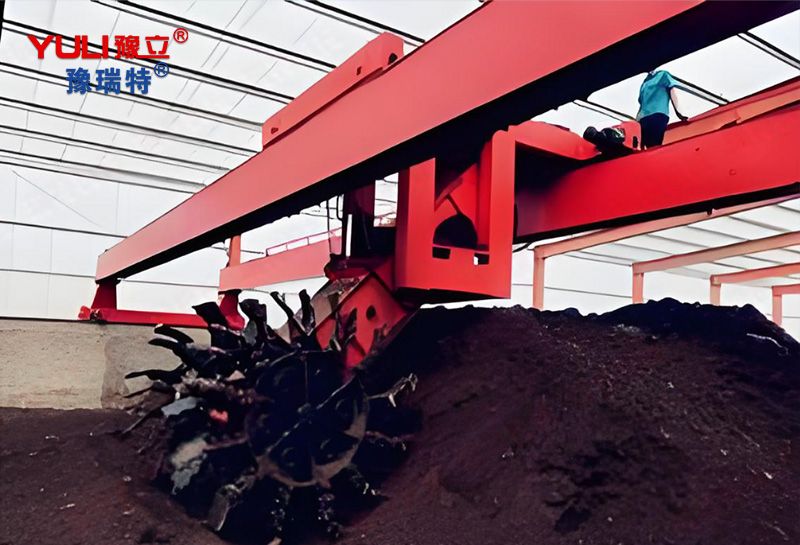
The 2.6-meter tracked stacker is a device that uses rubber or steel tracks as the walking device, and uses a high-speed rotating drum (equipped with a flipping knife) to flip, crush, and mix materials. It represents more advanced and heavier technology than wheeled vehicles.
1、 Main advantages and characteristics
Strong terrain adaptability and stability
Grounding ratio is low: The track disperses the weight of the machine over a larger contact area, allowing it to walk steadily even on soft, damp, and uneven material piles, with very little slipping or sinking.
Strong climbing ability: able to adapt to fermentation tanks or sites with a certain slope, and operate more reliably.
Excellent flipping efficiency and effectiveness
Strong power: usually equipped with high-power diesel engines or motors, with high driving torque, capable of handling materials with high viscosity, high moisture content, and high packing density (such as sludge, livestock manure, etc.).
Thoroughly flipping: The flipping drum is wide and the blades are dense, which can lift, disperse, and mix the materials evenly. The oxygen contact surface is large, and the fermentation is more complete.
Tempering function: During the flipping process, it can effectively break up clumps, evaporate water, reduce material density, and create optimal conditions for microbial activity.
Large processing capacity and continuous operation capability
Large working width: usually 3-6 meters, or even wider.
Adjustable walking speed: The forward and flipping speed can be adjusted according to the material status, achieving efficient continuous operation. The daily processing capacity of a single machine can reach thousands of cubic meters.
High degree of automation and intelligence
Cockpit operation: Usually equipped with a comfortable cab, centralized control, and good visibility.
Optional automation system: such as automatic navigation (along the fermentation tank track or GPS), remote monitoring, data acquisition (temperature, oxygen consumption, etc.), to achieve intelligent management.
Durable and sturdy, suitable for heavy-duty working conditions
Sturdy structure: specially designed for high-strength and highly corrosive working environments.
Key component strengthening: The flipping blade, bearings, and transmission system are wear-resistant, corrosion-resistant, and have a long service life.
2、 Limitations or characteristics that need to be considered
High initial investment cost
Due to its complex structure and powerful functions, the purchase price is much higher than that of wheeled turners and simple chain plate turners.
There are certain requirements for the venue
Although it has strong adaptability to terrain, the optimal working environment is a standard concrete fermentation tank. When working on open ground without grooves, its high efficiency advantage may not be fully realized.
The turning radius is relatively large, and sufficient turning space needs to be reserved.
Relatively complex maintenance
The crawler walking mechanism needs to be regularly inspected for tension and wear, and the maintenance cost is slightly higher than that of the wheel type.
Complex hydraulic and transmission systems require professional maintenance.
Poor mobility and transferability
The body is large and heavy, making it difficult to be easily towed and transferred by trucks like wheeled equipment. Usually requires fixed installation in different fermentation workshops or transportation using large flatbed trucks.
3、 Main application scenarios
Large scale municipal sludge treatment: treating sludge generated by urban sewage treatment plants.
Resource utilization of manure from large-scale breeding farms: processing manure from livestock and poultry such as cattle, pigs, and chickens.
Organic fertilizer standardized production plant: producing commercial organic fertilizers or bio organic fertilizers.
Garbage treatment plant: deals with organic waste such as kitchen waste and garden waste.
A brief comparison with wheeled stacker
| 特性 | 履带式翻堆机 | 轮式翻堆机 |
|---|---|---|
| 行走方式 | 履带 | 充气轮胎 |
| 地形适应性 | 极强,不怕松软泥泞 | 一般,易打滑下陷 |
| 处理物料 | 高粘度、高水分、重型物料 | 一般秸秆、粪污等 |
| 处理能力 | 超大 | 中等 |
| 投资成本 | 高 | 较低 |
| 机动性 | 差,转场困难 | 好,可牵引移动 |
| 自动化 | 容易实现高端智能化 | 通常为基础操作 |
The 2.6-meter tracked stacker is a high-end equipment designed for heavy-duty, continuous, and large-scale industrial aerobic fermentation projects. Its core features are strong passability, excellent flipping quality, and huge processing capacity, making it very suitable for large-scale organic waste treatment projects with sufficient funds and long-term stable operation plans. When making a selection, it is necessary to comprehensively consider the project scale, material characteristics, investment budget, and site conditions.
Mainly engaged in core products such as slatted board production lines and slatted board molds
Strong strength · Excellent equipment · Quality assurance · Customer first · Win-win cooperation
CONTACT:Manager Li 13523220009
TEL:0373-7774868
ADDRESS:South of the middle section of Weiqi Road, Xinxiang Economic and Technological Development Zone
 Follow us
LINK:
Xinxiang Ruite Machinery Co., Ltd ICP:豫ICP备10026059号-2
13523220009
扫一扫 关注我们