ABOUT US
Adhering to the spirit of "dedication and focus", we provide craftsmanship products and serve millions of users

HOME
ABOUT US
PRODUCTS
Case
plan
NEWS CENTER
contact us
CHINESE
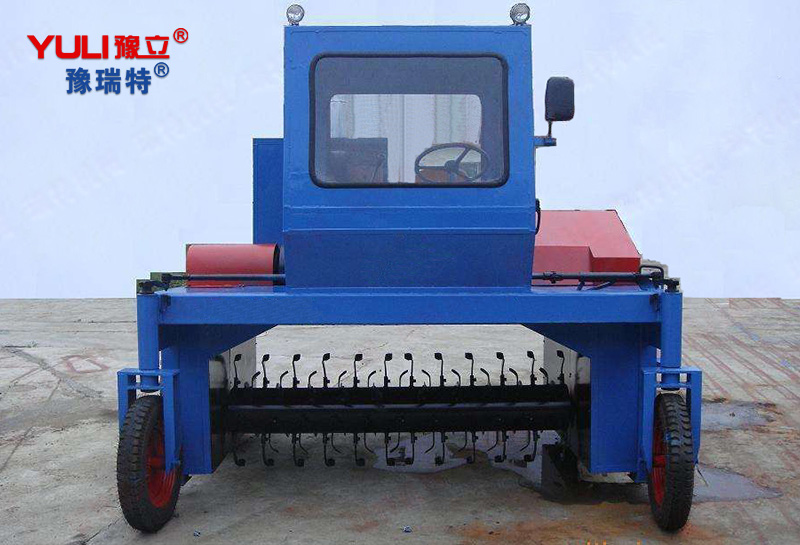
Compost Turner • Compost Mixer
| Homework width: | 2metre |
| Flipping depth: | 1.5metre |
| Homework speed: | 5meter/minute |
| Energy type: | National standard diesel |
13523220009
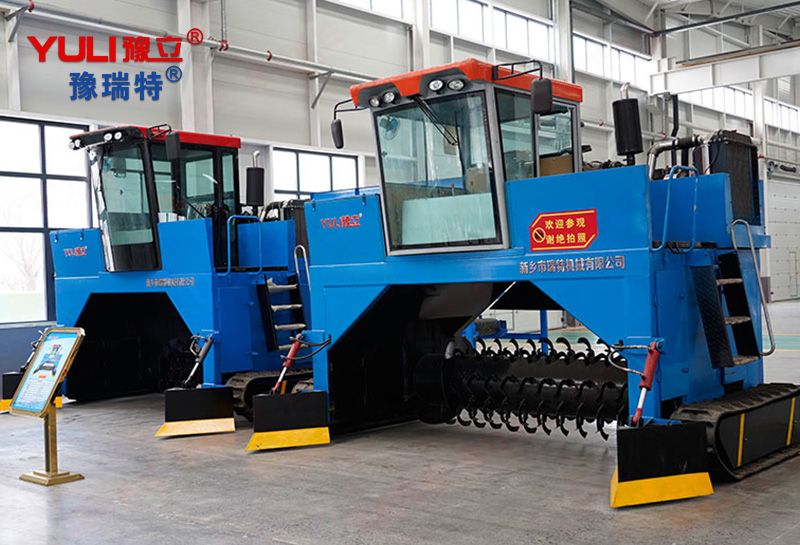
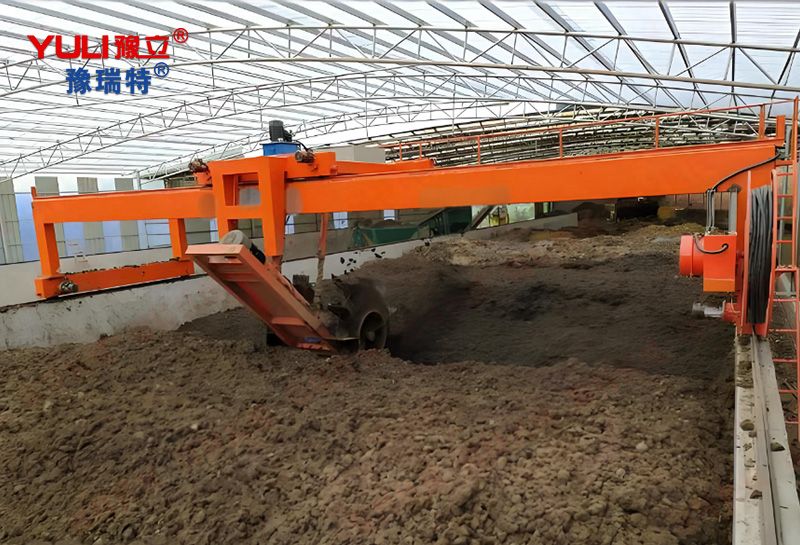
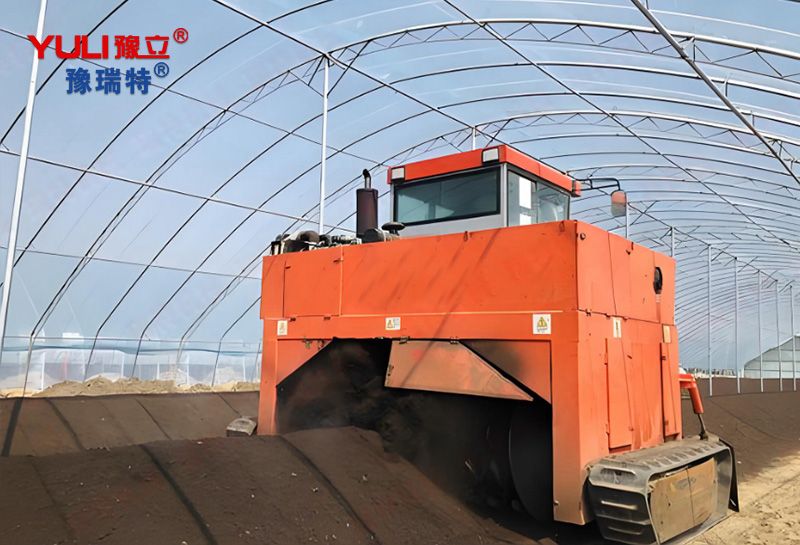
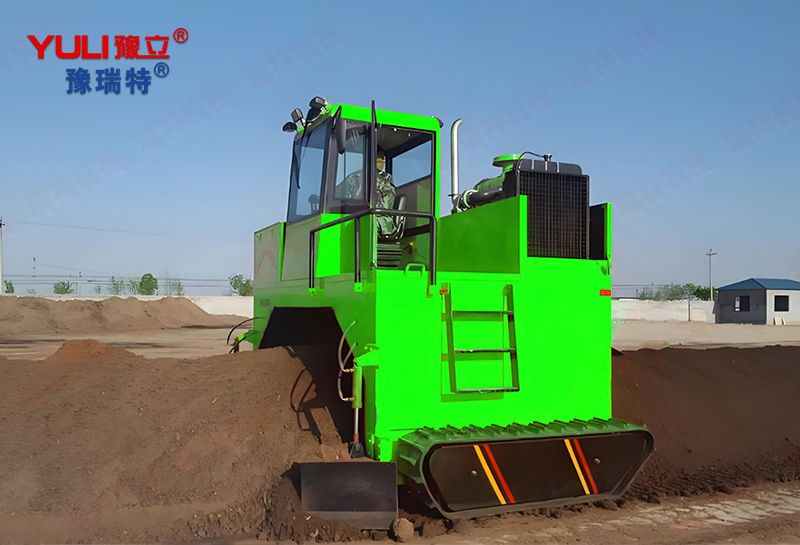
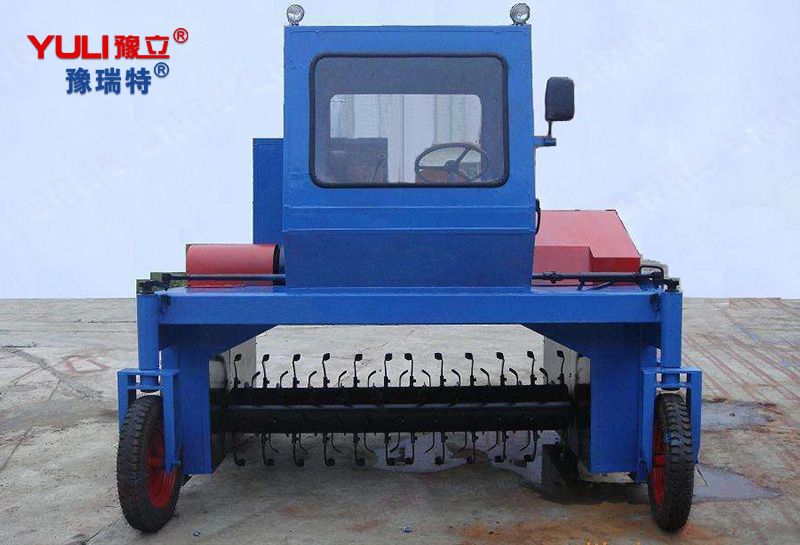
Wheel type stacker refers to a mobile machinery that uses inflatable tires as the walking device to flip and throw stacked materials through different working components (such as rotating blade wheels, chain scrapers, spiral drums, etc.). It emphasizes a flexible and agile mode of operation.
1、 Main advantages and characteristics
Extremely high maneuverability and flexibility
Core advantage: Wheeled walking allows it to move and transition freely on open fields like a tractor. One machine can serve multiple dispersed composting sites.
Traction and self-propelled: There are commonly tractor traction and self-propelled types. Traction type can utilize existing tractor heads, which saves investment; Self propelled systems have high integration and are more convenient to operate.
Strong site adaptability and low infrastructure investment
The requirements for the site are extremely low, only a flat and hard ground is needed (compacted soil road, gravel ground, cement ground are all acceptable).
It does not require the construction of expensive fixed fermentation tanks, greatly reducing initial infrastructure investment, which is its most prominent economic advantage compared to trough type turntables.
The investment cost of equipment is relatively low
Compared to tracked and complex trough equipment, the structure is simpler, the manufacturing cost is lower, and the purchase threshold is lower. It is very suitable for small and medium-sized farms, breeding farms, or newly started organic fertilizer projects.
Suitable for typical agricultural waste
Very suitable for processing a mixture of livestock manure and agricultural auxiliary materials such as straw and rice husk. Its flipping function is sufficient to meet the ventilation, mixing, and crushing needs of such materials.
Easy to operate and maintain
The operation is intuitive and the maintenance techniques are relatively simple, which can be completed by ordinary mechanics. Easy and low-cost replacement of vulnerable parts such as tires.
Diverse models and optional functions
From simple small traction type to large self-propelled type, from pure flipping and throwing to various configurations such as crushing, hydraulic adjustment, cockpit, etc., there is a wide range of choices.
2、 Limitations or characteristics that need to be considered
Greatly affected by weather and site conditions
Difficulty in rainy work: Tires are prone to slipping and sinking on muddy and soft ground, making it impossible to work.
There are requirements for ground hardness: the site must be compacted, otherwise the tires will plow the land, damage the site, and have low efficiency.
Limited flipping ability and material handling characteristics
Not suitable for high viscosity materials: For pure sludge, very wet and sticky feces, etc., the tire adhesion is poor, and the flipping parts are easily wrapped by the material, resulting in a significant decrease in efficiency.
The flipping depth and force are usually not as good as heavy-duty tracked equipment.
Weak environmental control capability
Outdoor operations are significantly affected by season and climate in terms of temperature and fermentation process.
Odor and sewage are prone to spread, and in environmentally sensitive areas, it may be necessary to cover them with rain shelters or choose indoor trough processes.
Large footprint and relatively long fermentation cycle
The stacking process requires a large area of open land.
Usually relying on natural ventilation, fermentation efficiency is not as good as forced air supply trough processes, and the cycle may be longer.
Labor intensity and degree of automation
Usually requires manual driving operation, and each stack needs to be moved to the next stack after flipping, with a low degree of automation and continuity.
3、 Main application scenarios
Small and medium-sized breeding farms/farms: on-site processing of their own livestock and poultry manure, production of bedding materials or crude organic fertilizers.
Straw returning or recycling center: Processing crop straw.
Garden waste disposal point: processing tree branches, leaves, etc.
Projects that are sensitive to initial investment and have relatively loose land resources.
Core comparison with track type (groove type) stacke
| 特性 | 轮式(条垛式)翻堆机 | 履带式(槽式)翻堆机 |
|---|---|---|
| 工艺形式 | 条垛式(露天) | 槽式(固定槽内) |
| 行走与机动 | 轮胎,机动灵活,可转场 | 履带,固定或难移动,在槽内作业 |
| 基础设施 | 几乎无需基建,只需平整地 | 需建混凝土发酵槽,基建成本高 |
| 天气影响 | 大(雨雪泥泞无法作业) | 小(可在厂房内作业) |
| 处理物料 | 适合中等粘度、含纤维的农业废弃物 | 适合高粘度、高水分物料(如污泥、纯粪) |
| 环境控制 | 差,露天开放 | 好,易封闭、收集气体、控制温度 |
| 自动化 | 低,需人工操作 | 高,易实现自动导航与监控 |
| 投资重 点 | 主要在设备本身 | 设备 + 高昂的土建 |
| 规模经济 | 适合分散、中低规模处理 | 适合集中、大规模工业化处理 |
The wheeled composting machine is a representative of the "flexible and economical" solution for strip composting. Its core value lies in low investment threshold, high mobility, and low requirements for the site, making it a powerful tool for achieving on-site and resourceful treatment of organic waste. However, its limitations lie in weather conditions, weak environmental controls, and unsuitability for handling extremely viscous materials.
Key selection: If you are dealing with typical agricultural waste (manure+straw), have an open site, limited investment budget, and do not have extreme requirements for fermentation cycle and environmental control, a wheeled turning machine is an extremely cost-effective choice. On the contrary, if municipal sludge needs to be treated, large-scale industrial continuous production needs to be carried out, or if it is located in an environmentally controlled area, a trough type crawler stacker should be considered.
Mainly engaged in core products such as slatted board production lines and slatted board molds
Strong strength · Excellent equipment · Quality assurance · Customer first · Win-win cooperation
CONTACT:Manager Li 13523220009
TEL:0373-7774868
ADDRESS:South of the middle section of Weiqi Road, Xinxiang Economic and Technological Development Zone
 Follow us
LINK:
Xinxiang Ruite Machinery Co., Ltd ICP:豫ICP备10026059号-2
13523220009
扫一扫 关注我们