ABOUT US
Adhering to the spirit of "dedication and focus", we provide craftsmanship products and serve millions of users

HOME
ABOUT US
PRODUCTS
Case
plan
NEWS CENTER
contact us
CHINESE
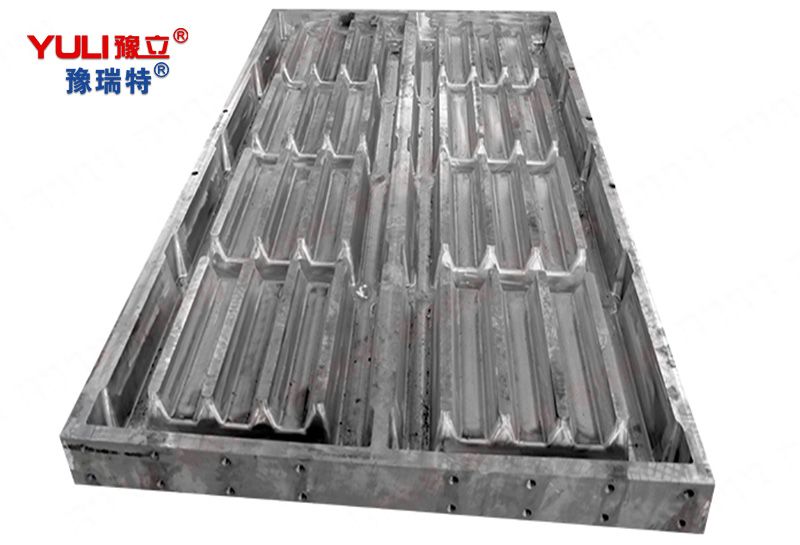
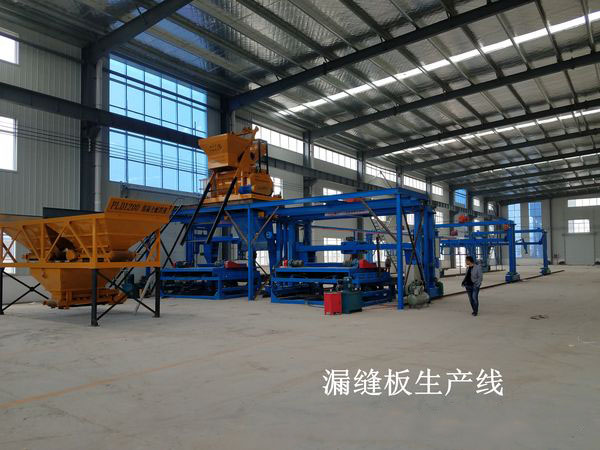
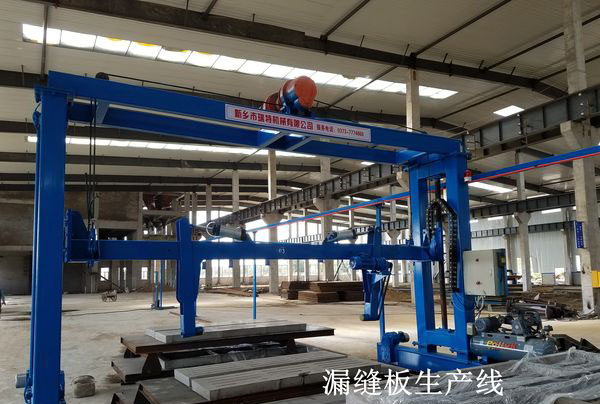
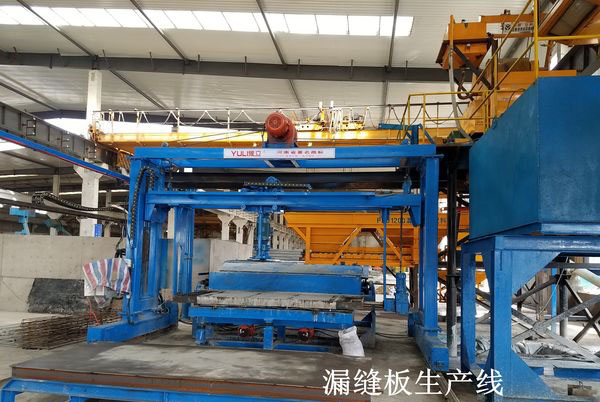
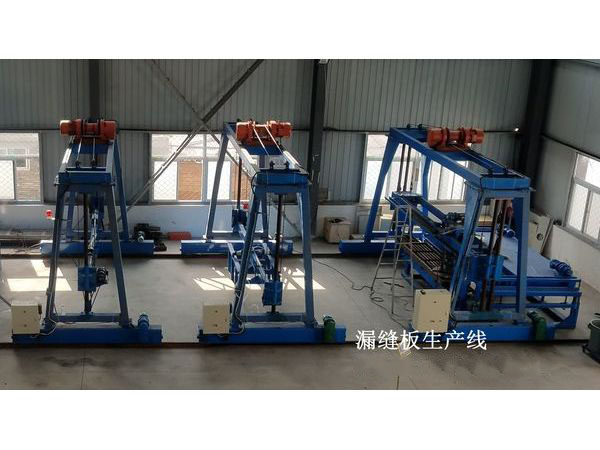
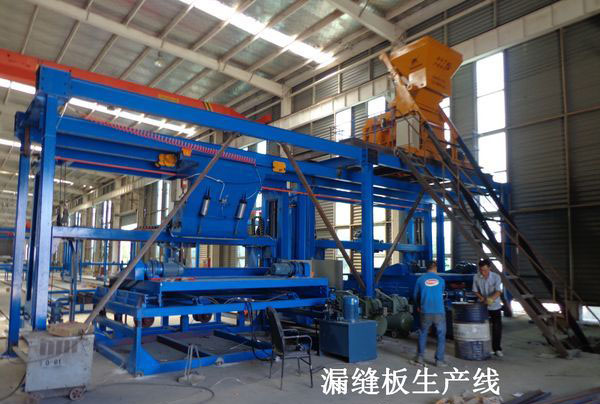
Mechanical cement leakage plate
| floor area: | 45000*5800*4500(mm) |
| Rated output: | 160-180(block/10h) |
| Number of operators: | 5-6(person) |
| Total weight of equipment: | 24(t) |
13523220009
1、 Core advantages and characteristics
Highly automated and efficient
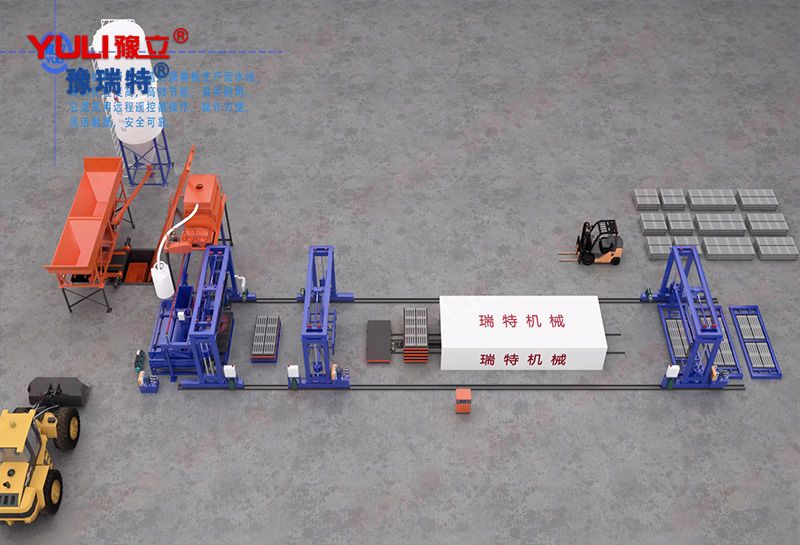
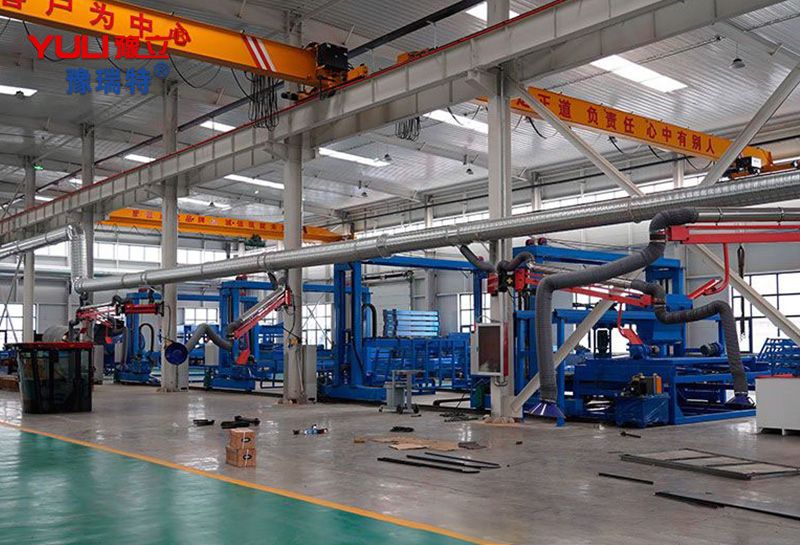
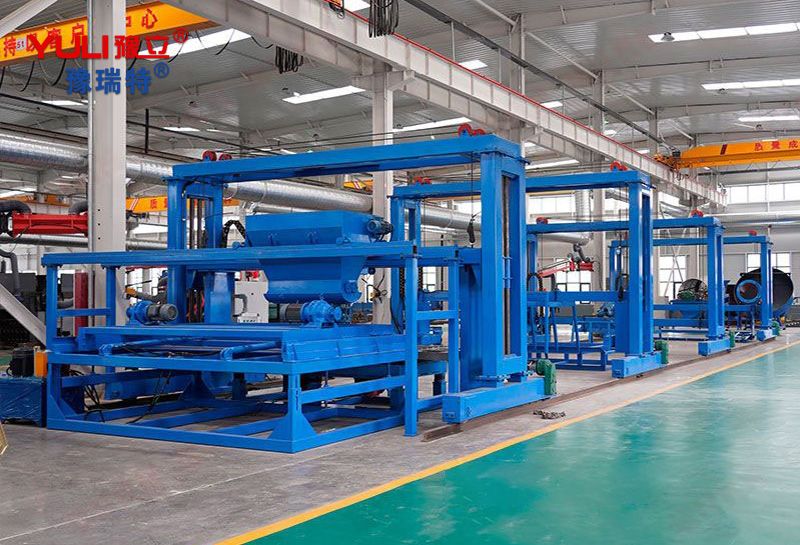
Flow production: All processes from mold cleaning, spraying release agent, laying steel mesh/reinforcement materials, concrete quantitative distribution, high-frequency vibration compaction, smoothing and finishing, to curing, demolding, palletizing, etc. are automatically completed by machinery, forming a continuous production cycle.
Significantly increase production capacity: A standard production line can produce hundreds or even thousands of pieces per day (depending on the size of the board), dozens of times more than traditional handmade production, which can quickly meet the centralized demand of large-scale aquaculture projects.
Extremely low labor demand: The entire process only requires a few operators to monitor equipment and make adjustments to key links, significantly reducing labor intensity and labor costs.
Excellent and stable product quality
High density and high strength: High frequency vibration table or external vibration technology is used to fully liquefy and compact the concrete, eliminate bubbles, ensure the internal structure of the finished product is dense, and the compressive strength and flexural strength are much higher than manual production, with strong bearing capacity and long service life.
Accurate and uniform size: All leakage plates are formed in the same steel mold, ensuring consistency in length, width, thickness, leakage hole spacing, and size. This is crucial for the precise installation and overall flatness of modern pigsties.
Smooth and delicate surface: Through mechanical smoothing and high-quality mold cavity, the finished product surface is as smooth as a mirror, without honeycomb or rough surface. This is not only aesthetically pleasing, but more importantly, it does not harm pig hooves, is easy to clean and disinfect, and ensures animal welfare and biological safety.
Standardized production process
Formula precise control: The concrete ingredients (cement, sand and gravel, water, additives, etc.) are automatically weighed and mixed by a computer-controlled mixing plant, ensuring the stability of the ratio and slump, and controlling the quality from the source.
Controllable process parameters: Key parameters such as vibration time, frequency, maintenance temperature and humidity can be set and maintained stable, eliminating arbitrary human operation and ensuring that the performance of each batch of products is completely the same.
2、 Structure and Design Features
Modular and Flexible Design
Quick mold change: Production lines are usually designed with a quick mold change system, which can quickly replace molds for producing different specifications (such as piglet boards, fattening boards, sow boards) or different hole types (round holes, long holes) of fecal leakage boards, enhancing the flexibility of the production line.
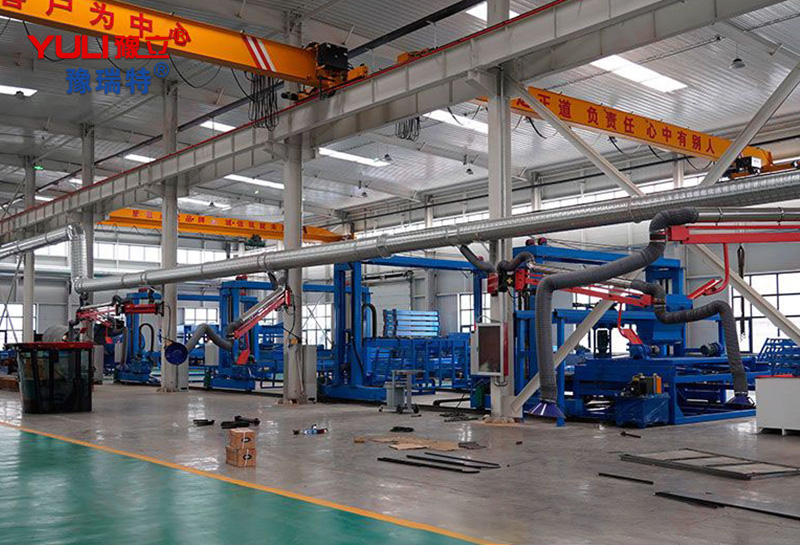
Modular layout: Each functional unit (such as mixing plant, fabric machine, vibration table, curing kiln, demolding and palletizing machine) works relatively independently and collaboratively, making it easy to maintain and upgrade in the future.
Advanced maintenance system
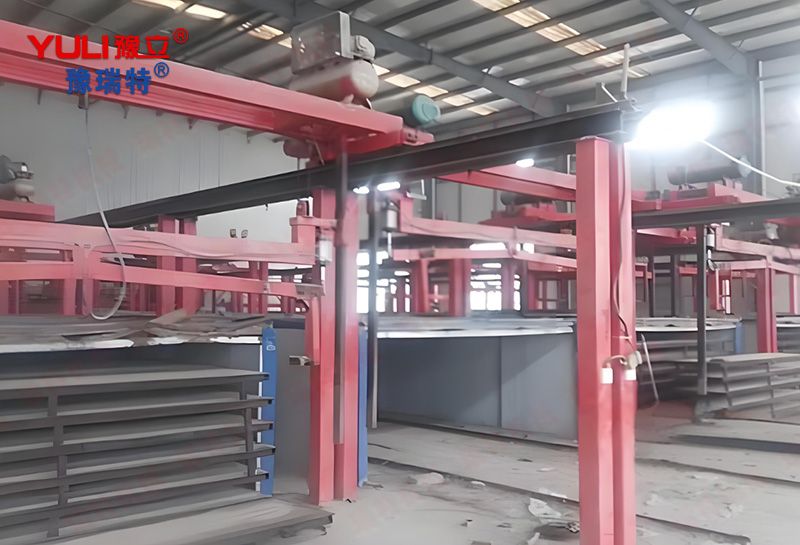
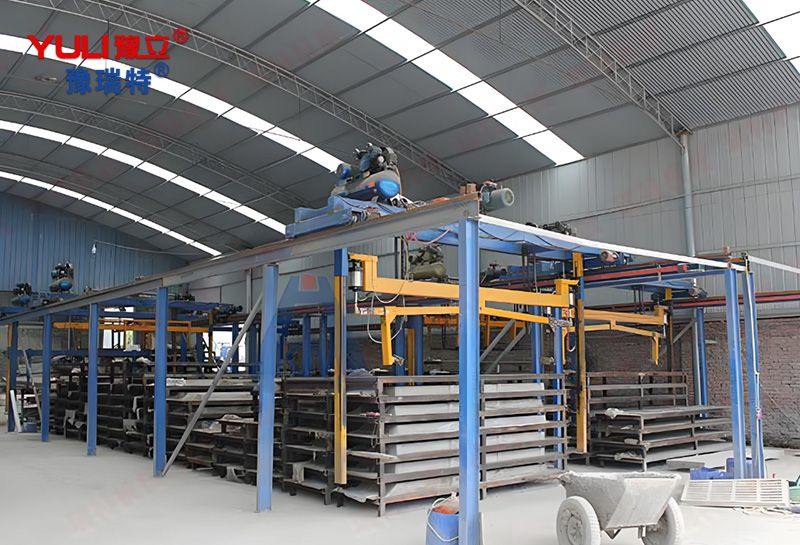
Energy saving and efficient maintenance: Three dimensional maintenance kilns or tunnel type maintenance kilns are commonly used, which automatically control temperature (usually using steam or electric heating) and humidity to achieve the specified demolding strength of concrete in a short period of time (usually within 24 hours), accelerate mold turnover, improve production efficiency, and save maintenance space.
3、 Economic and environmental characteristics
Good economic benefits
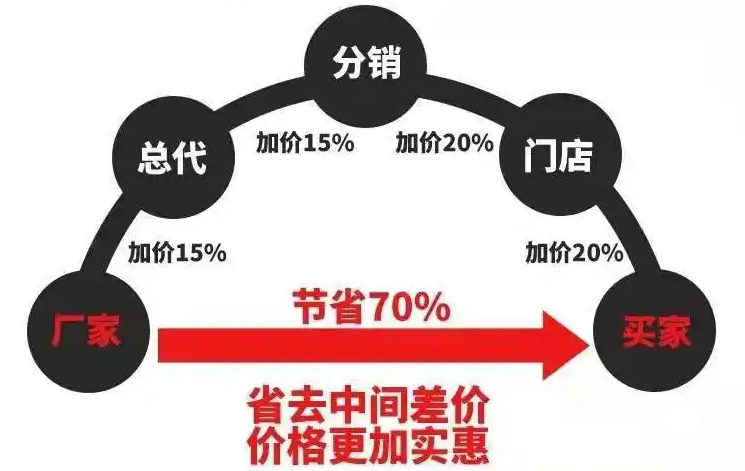
Scale based cost advantage: Although the one-time investment is relatively large, the production cost (especially labor and mold losses) diluted to a single board is much lower than manual production, and the larger the scale, the more obvious the advantage.
Low scrap rate: The stable process controls the scrap rate and defect rate at an extremely low level, reducing material waste.
Long service life of molds: The steel molds used have high precision, wear resistance, and can be recycled tens of thousands of times or more.
Environmental friendliness and improvement of working environment
Clean production: Production lines usually operate in enclosed or semi enclosed workshops, with dust removal devices installed at dust points such as material conveying, mixing, and vibration. The working environment is much cleaner than outdoor manual operations.
Wastewater recycling: Wastewater from cleaning equipment can be recovered and reused through sedimentation, which meets environmental protection requirements.
The characteristics of the fully automatic mechanism cement leakage board production line are:
With automation equipment as the core and standardized processes as the soul, through precise program control, the product achieves high consistency and excellent performance in strength, accuracy, and appearance, ultimately providing a reliable and efficient infrastructure solution for modern and intensive aquaculture.
Mainly engaged in core products such as slatted board production lines and slatted board molds
Strong strength · Excellent equipment · Quality assurance · Customer first · Win-win cooperation
CONTACT:Manager Li 13523220009
TEL:0373-7774868
ADDRESS:South of the middle section of Weiqi Road, Xinxiang Economic and Technological Development Zone
 Follow us
LINK:
Xinxiang Ruite Machinery Co., Ltd ICP:豫ICP备10026059号-2
13523220009
扫一扫 关注我们