ABOUT US
Adhering to the spirit of "dedication and focus", we provide craftsmanship products and serve millions of users

HOME
ABOUT US
PRODUCTS
Case
plan
NEWS CENTER
contact us
CHINESE
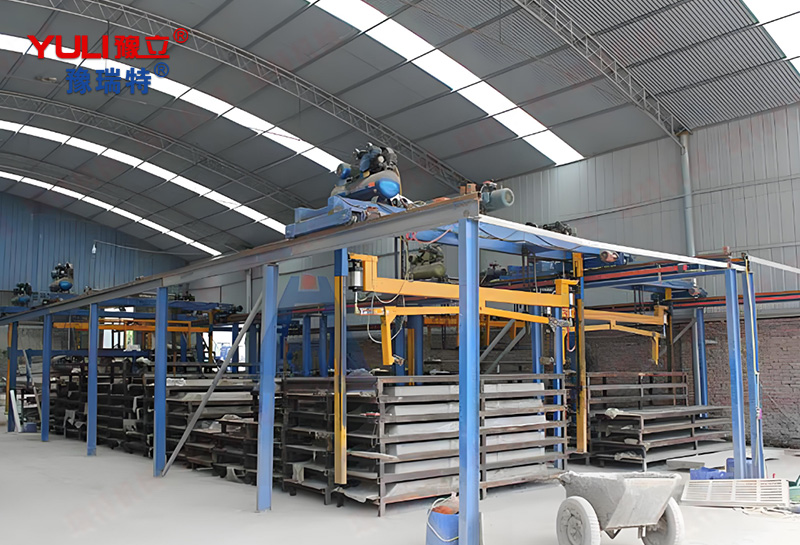
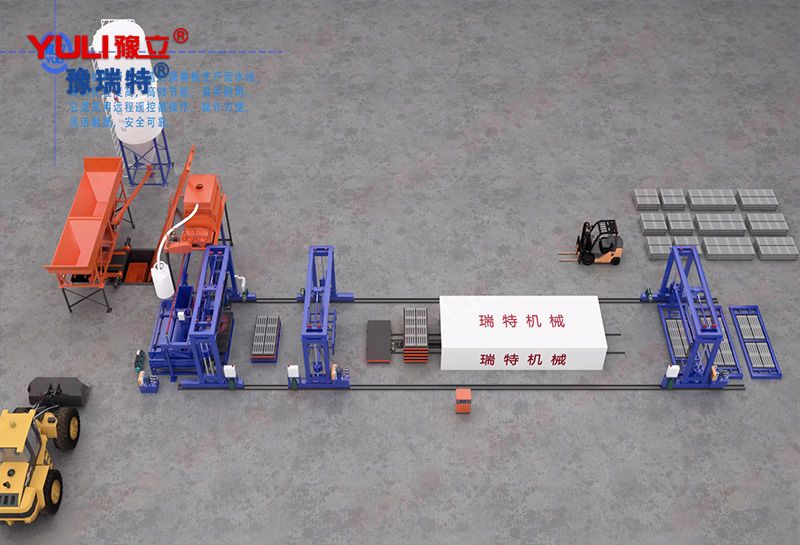
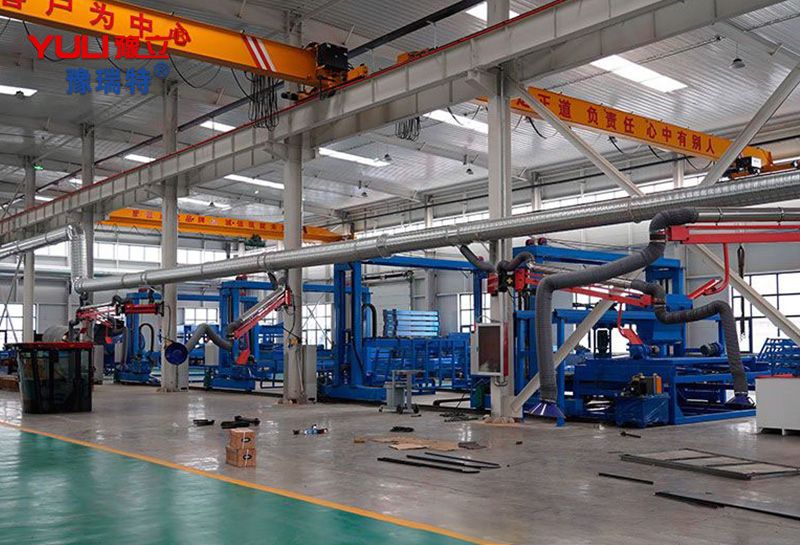
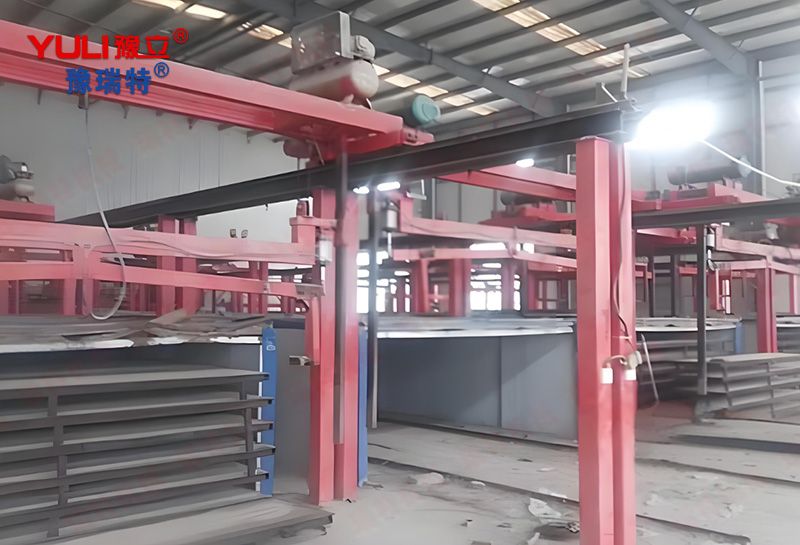
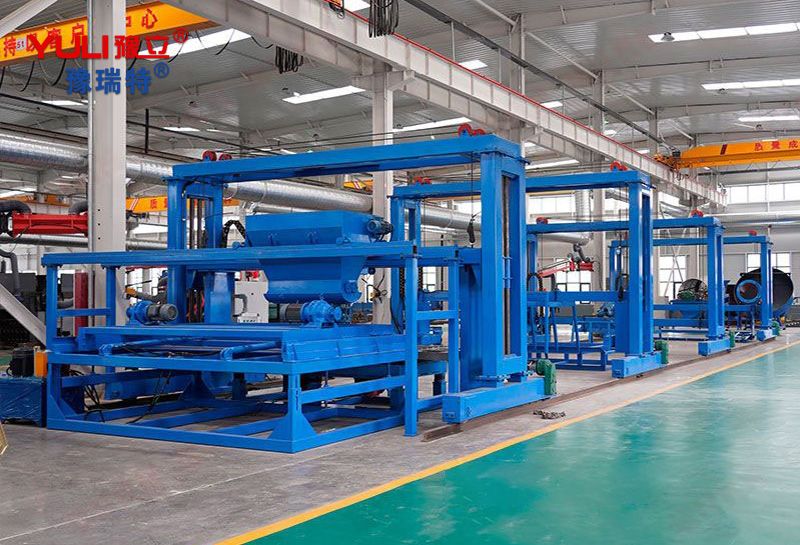
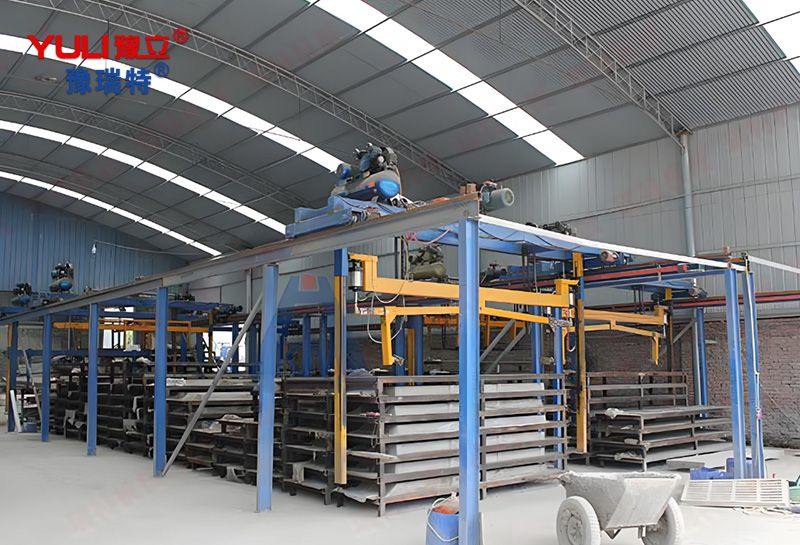
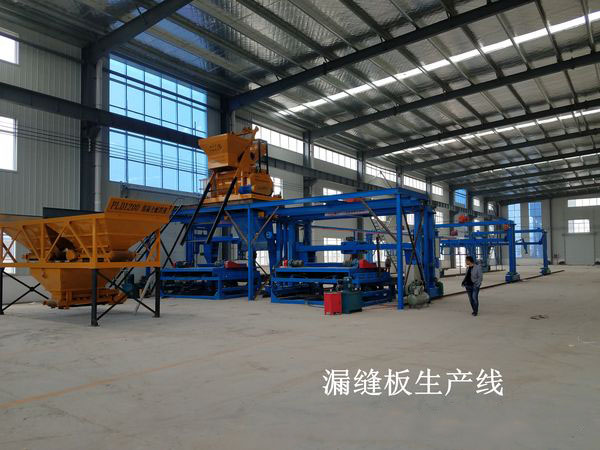
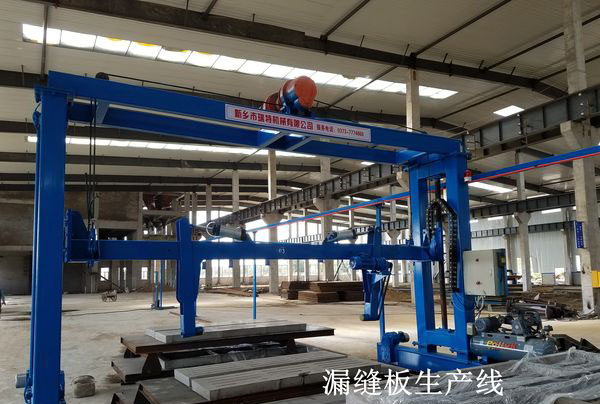
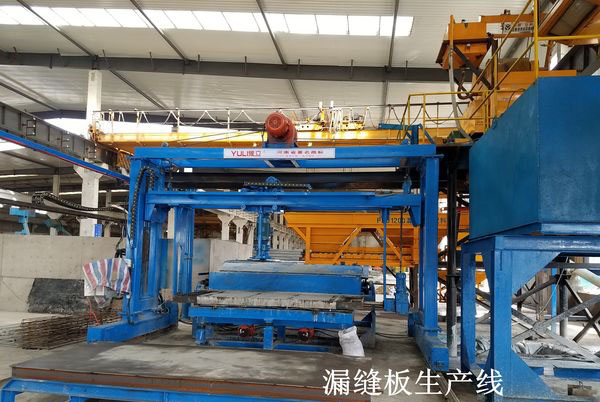
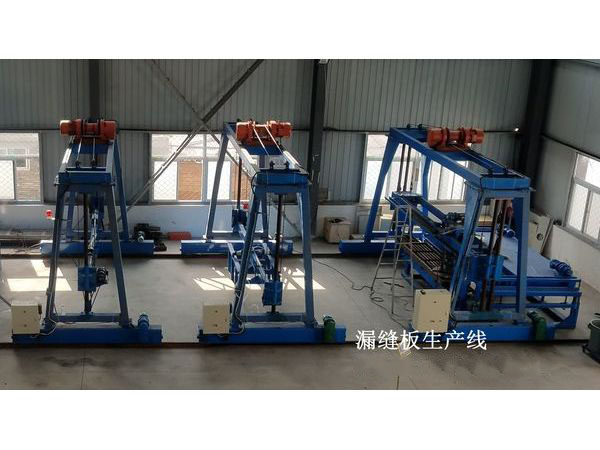
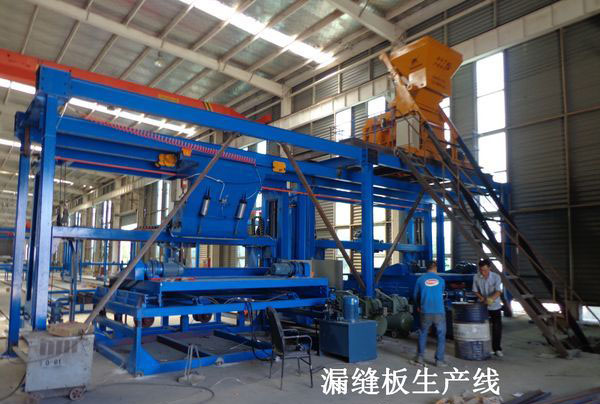
Mechanical cement leakage plate
| floor area: | 40000*5800*4500(mm) |
| Equipment output: | 80-100(block/10h) |
| Number of operators: | 6-7(person) |
| Total weight of equipment: | 18(t) |
13523220009
1、 Core production characteristics (compared with fully automated)
Mechanization of key processes significantly improves efficiency
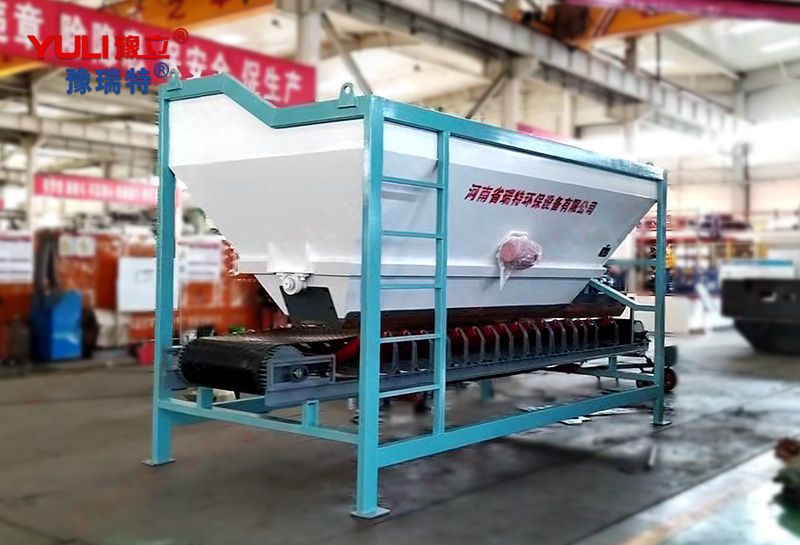
Core equipment: usually equipped with concrete mixer, material feeder (or simple quantitative feeding device), and high-frequency vibration table.
Advantages: The compactness and strength of concrete are fundamentally guaranteed through mechanical vibration, and the quality is much higher than that of pure manual production, with faster fabric speed. This is its biggest leap compared to manual production.
Partial processes rely on manual labor, with high flexibility
The manual process includes cleaning the mold, applying release agent, placing steel mesh/reinforcement materials, as well as preliminary maintenance, demolding, handling and stacking after vibration molding, which are mainly completed manually.
Flexibility: When switching to different specifications of products, simply change the mold and adjust manual operations, making the switching relatively fast and simple.
Intermediate production efficiency and capacity
The production efficiency is much higher than that of a manual workshop, but lower than that of a fully automated assembly line. The daily output is usually between one hundred and several hundred yuan, limited by the speed of manual labor and the number of team members.
2、 Economic and Investment Characteristics
Moderate investment cost and low threshold
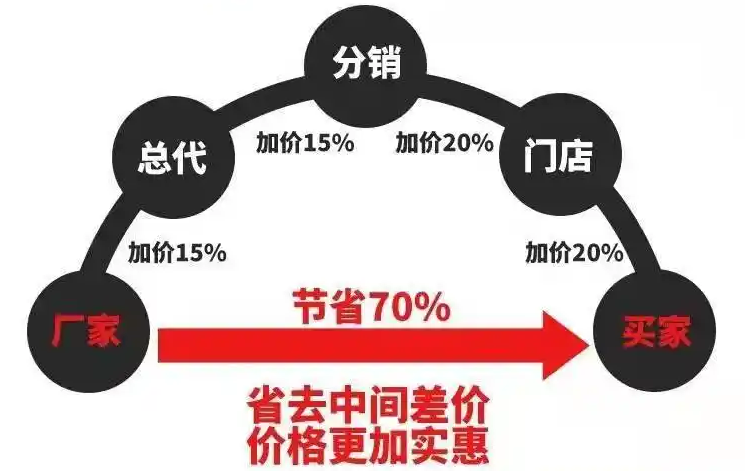
The equipment cost is much lower than that of fully automated production lines, making it the mainstream choice for small and medium-sized investors or start-up factories. The payback period is relatively short and the risk is controllable.
Flexible requirements for venue and personnel
No need for complex maintenance kilns and automated conveyor systems, with relatively simple requirements for the factory building (but requiring maintenance areas).
We need a skilled workforce with management and discipline. The standardization and sense of responsibility of manual operations directly affect the consistency and yield of products.
3、 Product and Quality Characteristics
The quality is better than manual, but the consistency is weaker than fully automatic
Due to the fact that the core "vibration compaction" process is completed by machines, the internal strength and durability of the product are reliably guaranteed.
However, there may be fluctuations in dimensional accuracy, surface smoothness, and especially in the consistency of weight and appearance between each board due to subtle differences in manual fabric and rib placement operations.
High degree of diversification of molds
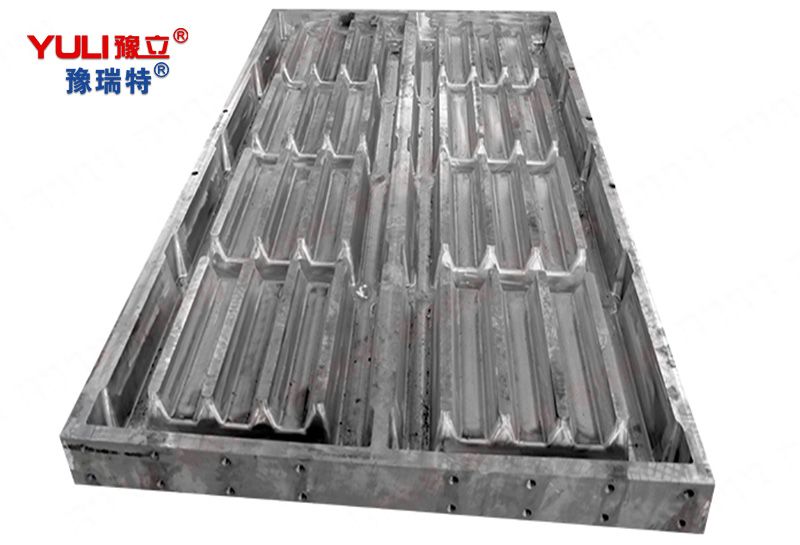
Due to not relying on complex automated fixtures, more diverse (including some non-standard customization) molds can be used, making it suitable for undertaking small batch, multi specification orders.
Summary: Core positioning and applicable scenarios
The essence of semi-automatic production lines is that mechanization replaces the most essential physical labor and technical difficulties (vibration compaction), but production organization and management still rely on manual labor.
Advantages: Low investment threshold, practical and reliable equipment, flexible production arrangement, which is a key step in improving product quality and entering formal production.
Challenge: Product quality heavily relies on manual proficiency, production capacity has a ceiling, and labor costs account for a high proportion.
Ideal Applicable Scenarios:
Small and medium-sized cement product factories.
Regional breeding equipment supplier.
There is a diverse range of product specifications and not a huge production demand in bulk.
As a market trial and capital accumulation stage before fully automated production.
Simply put, if a fully automated production line is an "unmanned black light factory", then a semi-automatic production line is a "skilled craftsman workshop with machine assistance at key workstations", which has unique value in terms of cost-effectiveness and market adaptability
Mainly engaged in core products such as slatted board production lines and slatted board molds
Strong strength · Excellent equipment · Quality assurance · Customer first · Win-win cooperation
CONTACT:Manager Li 13523220009
TEL:0373-7774868
ADDRESS:South of the middle section of Weiqi Road, Xinxiang Economic and Technological Development Zone
 Follow us
LINK:
Xinxiang Ruite Machinery Co., Ltd ICP:豫ICP备10026059号-2
13523220009
扫一扫 关注我们